


Mastering Meal Balance: Unlocking the Secrets to a Well-Balanced Plate

Updated: Jan 3
In a world inundated with fad diets and confusing nutrition advice, one guiding principle remains steadfast and essential for overall health and wellness: balanced meals. Creating a well-balanced plate isn't just about portion control; it's about ensuring you provide your body with the array of nutrients it needs to thrive. Join us as we delve into the secrets of mastering meal balance to fuel your body effectively and enjoyably.
The Foundation: Understanding Meal Balance
Balancing your plate involves combining different food groups in the right proportions to ensure you're getting a diverse range of nutrients. The key food groups to consider when crafting a balanced meal are:
Proteins : These are the building blocks of life and crucial for muscle repair and growth. Sources include poultry, fish, beans, and tofu.
Carbohydrates : Your body's primary energy source comes from carbs. Opt for whole grains, fruits, and vegetables to provide sustained energy throughout the day.
Fats : While often demonized, healthy fats are essential for brain function and overall health. Avocados, nuts, and olive oil are great options.
Fruits and Vegetables : Packed with vitamins, minerals, and antioxidants, these are vital for your immune system and overall well-being.
Dairy or Dairy Alternatives : Rich in calcium and vitamin D, these are essential for bone health. Yogurt, milk, or fortified plant-based alternatives are good choices.
Crafting Your Well-Balanced Plate
Now that we've covered the basics, let's dive into how you can translate this knowledge into a practical and delicious meal. Here's a simple guide to help you balance your plate effectively:
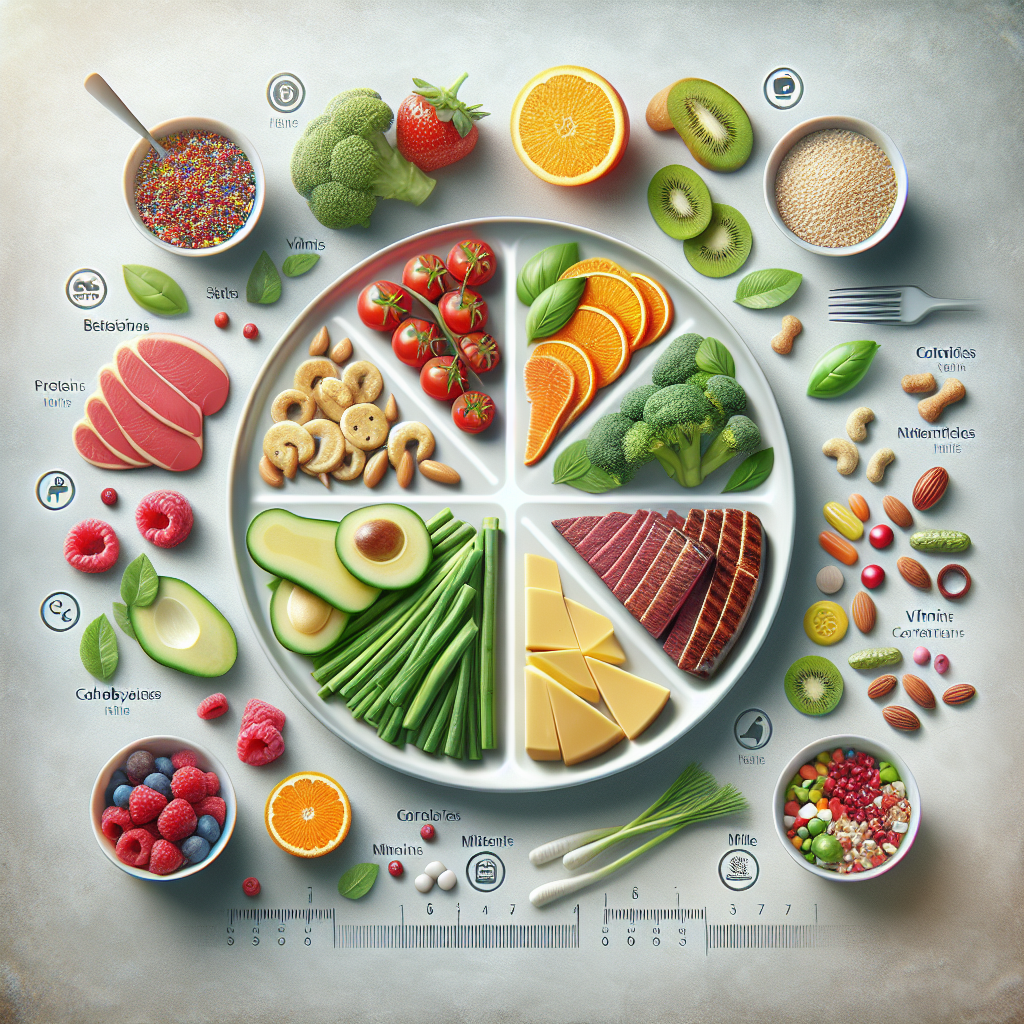
Fill Half Your Plate with Vegetables : Veggies are low in calories but high in nutrients. Aim to make half of your plate filled with a colorful assortment of vegetables.
Divide the Remaining Half : Split the other half of your plate between proteins and carbohydrates. This could be lean meats, legumes, or tofu for proteins, and whole grains like quinoa or brown rice for carbohydrates.
Incorporate Healthy Fats : Don't forget to add a source of healthy fats to your meal. Whether it's drizzling olive oil on your salad or topping your dish with avocado slices, fats add flavor and satiety.
Don't Skimp on Hydration : While not a part of your plate per se, staying hydrated is crucial for optimal health. Opt for water as your primary beverage throughout the day.
The Benefits of Balanced Meals
Embracing the practice of crafting well-balanced meals goes beyond just meeting your body's nutritional needs. Here are some additional benefits of maintaining a balanced plate:
Sustained Energy Levels : By combining proteins, carbs, and fats in your meals, you'll experience more stable energy throughout the day.
Improved Mood and Focus : Balanced meals help regulate blood sugar levels, which can positively impact your mood and cognitive function.
Weight Management : Eating balanced meals can aid in weight maintenance or loss by promoting portion control and satiety.
Conclusion: Elevate Your Wellness with Balanced Plates
Mastering the art of meal balance is an empowering tool in your journey towards overall health and well-being. By prioritising nutrient-dense foods and creating plates that reflect a harmonious mix of food groups, you're setting yourself up for success in both the short and long term. Remember, each meal is an opportunity to nourish your body and indulge your taste buds – so embrace the process with confidence and creativity!
So, the next time you sit down to eat, visualize your well-balanced plate and savour the benefits that come with feeding your body what it truly deserves.


Comments